The Trusted Choice for Cash Loans
Request Your Cash Advance or Personal Loan Now

The Trusted Choice for Cash Loans
Submit your information today!

Get lender-approved in as fast as 5 min!
Receive a decision as soon as the next business day!

Fast Funding
Get money as soon as the next business day



Why Online Lenders Respond Faster for Quick Funding
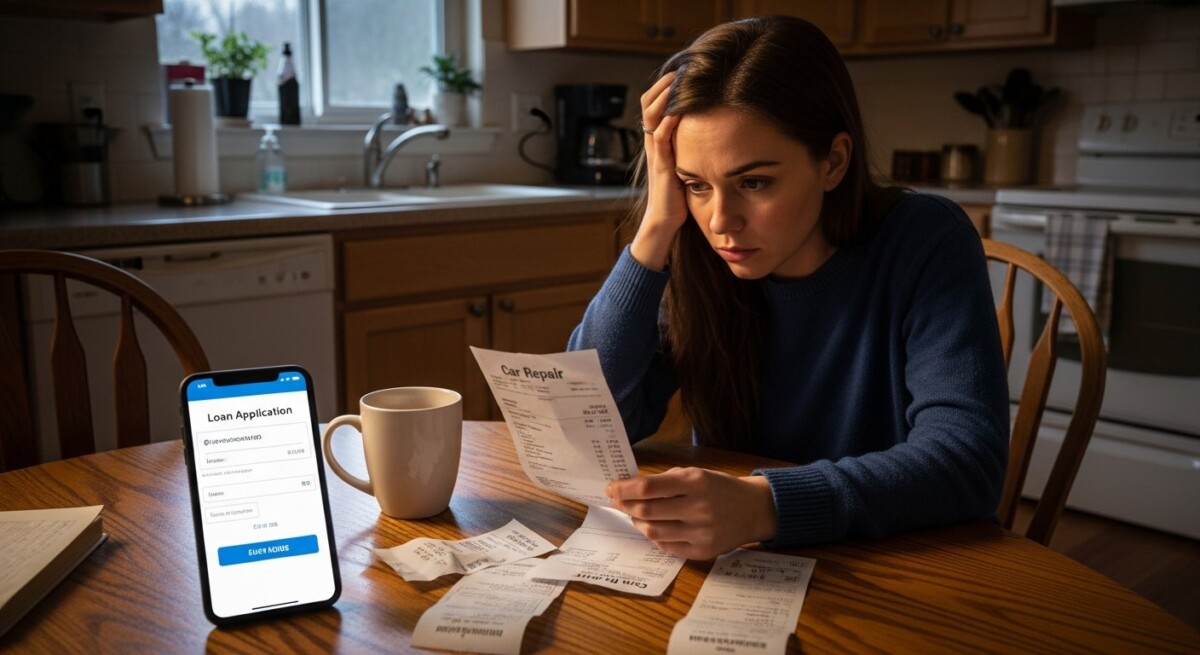
Imagine your car breaks down on a Tuesday morning, or an unexpected medical bill lands in your mailbox. You need money quickly, and waiting days for a bank decision feels impossible. That is when many people start searching for why online lenders respond faster than traditional banks.
Online lenders use technology to speed up every step of the borrowing process. This means you can often get a decision in minutes and funds in your account within one business day. For urgent expenses like car repairs, medical costs, or overdue bills, this speed can make a real difference.
In this article, we will explain how these loans work, what situations make them a good option, and how to choose wisely. We will also show you how comparing lenders can help you find terms that fit your budget.
Understanding Why Online Lenders Respond Faster
Online lenders respond faster because their systems are automated. Instead of a human reviewing paper applications, software checks your details and makes a decision in seconds. This reduces wait times from days to minutes.
These lenders specialize in short-term financial solutions, such as payday loans, installment loans, and lines of credit. Borrowers typically consider them when they face an emergency expense and need cash before their next paycheck. The entire process happens online, from filling out a form to signing documents electronically.
For many people, the appeal is not just speed but also convenience. You can apply from your phone at any time, even late at night or on weekends. This flexibility is especially helpful when traditional banks are closed.
In our guide on why online lenders respond faster for urgent cash needs, we explain how this process helps borrowers facing time-sensitive situations.
When People Consider Short-Term Loans
Short-term loans are designed for unexpected expenses that cannot wait until your next paycheck. Life is full of surprises, and sometimes your savings are not enough to cover them.
Common situations where borrowers turn to these loans include:
- Unexpected bills like utility shut-off notices or insurance premiums
- Urgent home repairs such as a broken water heater or leaky roof
- Temporary cash shortages between paychecks
- Medical expenses not covered by insurance
- Emergency travel costs for family matters
In each of these cases, the speed of online lenders can prevent further stress. Instead of borrowing from friends or risking late fees, you can apply for a loan and receive funds quickly.
If you are exploring short-term loan options, comparing lenders can help you find the right solution. Request loan offers or call (855) 377-2223 to review available options.
Common Types of Short-Term Loans
Not all short-term loans are the same. Understanding the differences can help you choose the one that fits your situation best.
Here are the most common types:
- Payday loans: Small-dollar loans due on your next payday. They are easy to qualify for but have high interest rates.
- Installment loans: Larger amounts repaid in fixed monthly payments over several months. They often have lower rates than payday loans.
- Personal cash advances: A short-term loan from an online lender that is deposited directly into your bank account.
- Lines of credit: A flexible option where you borrow only what you need, up to a set limit, and pay interest only on what you use.
Each option has its own costs and repayment terms. For example, payday loans are quick but expensive, while installment loans offer more time to repay. Choosing the right one depends on how much you need and how quickly you can pay it back.
How the Loan Application Process Works
The application process for an online short-term loan is straightforward. You do not need to visit a branch or fax documents. Everything happens digitally.
Typical steps include:
- Submitting a loan request: Fill out a simple online form with your personal and financial details.
- Providing income details: Enter information about your job, monthly income, and bank account.
- Lender review and approval: The lender’s system reviews your information and makes a decision in minutes.
- Receiving loan offers: If approved, you will see the loan amount, interest rate, and repayment terms.
- Receiving funds: After you accept the offer and sign electronically, the money is deposited into your bank account, often by the next business day.
This speed is possible because lenders use algorithms to verify your identity and assess risk. They do not require a perfect credit score, though credit history may still be considered.
Comparing multiple lenders can help you find loan terms that match your situation. Compare loan offers or call (855) 377-2223 to explore available funding options.
Factors Lenders May Consider
Online lenders look at several factors to decide whether to approve your loan. Knowing these can help you prepare a stronger application.
Common factors include:
- Income verification: Lenders want to see that you have a steady source of income, whether from a job, benefits, or self-employment.
- Employment status: Being employed or having a consistent work history improves your chances.
- Credit history: While many lenders accept bad credit, they still check your credit report to assess risk.
- Repayment ability: Lenders calculate your debt-to-income ratio to ensure you can afford the loan payments.
Some lenders also consider your banking history. For instance, they may check if you have overdrawn your account frequently. The more stable your financial picture, the better your chances of approval.
For more details on what lenders look for, read our article on why banks and online lenders reject loan applications.
Understanding Loan Costs and Terms
Before you accept any loan offer, it is important to understand the total cost. Short-term loans often come with higher interest rates than traditional bank loans because they are unsecured and designed for fast access.
Key terms to review include:
- Annual percentage rate (APR): The total cost of borrowing, including interest and fees, expressed as a yearly rate.
- Repayment period: How long you have to pay back the loan. Shorter terms mean higher payments but less interest overall.
- Fees: Some lenders charge origination fees, late payment penalties, or prepayment penalties. Always read the fine print.
For example, a payday loan of $500 due in two weeks might have an APR of 400% or more. An installment loan of $1,000 repaid over six months might have an APR of 36%. Comparing these numbers helps you choose the most affordable option.
Loan terms can vary between lenders. Check available loan offers or call (855) 377-2223 to review possible options.
Tips for Choosing the Right Loan Option
Choosing a loan is a financial decision that deserves careful thought. The right loan can solve an urgent problem, while the wrong one can create new stress.
Here are practical tips to help you choose wisely:
- Review repayment terms: Make sure the monthly payment fits your budget. Do not borrow more than you can comfortably repay.
- Compare multiple lenders: Each lender offers different rates and fees. Use a comparison service to see multiple offers at once.
- Borrow only what you need: Avoid the temptation to take a larger loan. Borrow the minimum amount required to cover your expense.
- Plan repayment carefully: Mark the due date on your calendar and set aside funds ahead of time to avoid late fees.
Also, check if the lender is licensed in your state. Reputable lenders follow state regulations and disclose all terms clearly. If you are unsure, consult resources like the Contractor Home Quotes site for guidance on finding trusted service providers.
Responsible Borrowing and Financial Planning
Short-term loans are a tool, not a long-term solution. Using them responsibly means understanding their limits and planning for the future.
Start by creating a simple budget. Track your income and expenses to see where your money goes each month. This can help you identify areas where you can save, reducing the need for future loans.
Repayment planning is also key. If you take out a loan, prioritize paying it off on time. Late payments can lead to extra fees and damage your credit score. If you struggle to repay, contact your lender immediately to discuss options.
Avoid taking out multiple loans at once. This can create a cycle of debt that is hard to break. Instead, use loans only for true emergencies and focus on building an emergency fund over time.
For more safety tips, see our guide on are online lenders safe.
Frequently Asked Questions
How fast can I get a loan from an online lender?
Many online lenders approve applications within minutes. If you apply during business hours, you may receive funds in your bank account as soon as the next business day. Some lenders even offer same-day funding for early applications.
Do online lenders check credit scores?
Most online lenders check your credit history, but they often accept borrowers with bad credit or no credit. They focus more on your income and ability to repay. Some lenders offer no-credit-check loans, but these usually have higher costs.
What documents do I need to apply for an online loan?
You typically need a valid ID, proof of income (such as pay stubs or bank statements), and your Social Security number. The application is digital, so you can upload documents from your phone or computer.
Can I get a loan if I am self-employed?
Yes, many online lenders accept self-employed borrowers. You may need to provide tax returns or bank statements to verify your income. As long as you can show a steady cash flow, self-employment is not a barrier.
What happens if I cannot repay my loan on time?
If you miss a payment, the lender may charge a late fee and report the delinquency to credit bureaus. Some lenders offer extensions or payment plans, but interest may continue to accrue. Contact your lender as soon as possible to discuss options.
Are online short-term loans safe?
Reputable online lenders are safe and follow state regulations. Look for lenders that use encryption to protect your data and disclose all terms clearly. Avoid lenders that demand upfront fees or guarantee approval without checking your information.
How much can I borrow with a short-term loan?
Loan amounts vary by lender and state regulations. Payday loans typically range from $100 to $1,000. Installment loans can go up to $5,000 or more. The amount you qualify for depends on your income and credit profile.
Do I need a bank account to get an online loan?
Most online lenders require a checking or savings account to deposit funds and withdraw payments. Some lenders offer prepaid debit card options, but a bank account is standard. If you do not have one, you may need to explore alternative lenders.
Before you commit to any loan, take time to review your options carefully. Compare lenders, read the fine print, and choose a loan that aligns with your ability to repay. Quick funding can solve an emergency, but responsible borrowing protects your financial future. If you are ready to explore offers, use a trusted comparison service to find terms that work for you.


About Mia Turner
Related Posts