
Unexpected Expenses Budget Categories to Plan For
Unexpected expenses budget categories to plan for, from car repairs to medical bills, plus how to fund them and close gaps without derailing your finances.

By Thomas Shaw
Your car's transmission fails on a Tuesday morning. Your dog swallows a sock and needs surgery. The water heater starts leaking through the ceiling. None of these events are rare, yet most household budgets treat them as if they never happen. The result is a cycle of panic, credit card swipes, and financial stress that could have been softened with a plan. Building a budget that anticipates surprise costs is not about predicting the future. It is about acknowledging that life is expensive in ways that do not show up on a typical monthly expense list. This guide breaks down the most common unexpected expenses budget categories to plan for, how to fund them, and how to decide what to do when the money simply is not there yet.
The Real Cost of Being Unprepared
Financial surprises do not just hurt your wallet in the moment. They create a ripple effect that can last for months. A single emergency room visit or a major car repair can push a household into credit card debt, force a skipped bill, or trigger a short-term loan that comes with fees and interest. According to years of consumer finance research, a large share of Americans cannot cover a $1,000 emergency from savings. That statistic is not a moral failing. It is a planning gap. Most budgets are built around recurring costs like rent, groceries, and utilities, with little room for the irregular but predictable costs that life throws at us.
The good news is that the categories themselves are not mysterious. They show up again and again across households and income levels. The challenge is that they are irregular. You do not know when the fridge will die or when a child will need stitches, but you know these things happen. Treating them as inevitable rather than improbable is the first step toward a more resilient budget. If you want a broader playbook for staying out of debt when surprises hit, the guide on planning for unexpected expenses without debt offers a useful companion to this article.
Top Surprise Expense Categories to Budget For
Not every surprise is equally likely, and not every category carries the same financial weight. The following categories represent the most common and most costly sources of budget disruption for U.S. households. Each one deserves its own line item, even if the monthly contribution is small at first.
Car Repairs and Maintenance
Vehicles are reliable until they are not. Beyond routine oil changes and tires, drivers face timing belts, brakes, alternators, and the occasional catastrophic failure. A transmission replacement can run $3,000 to $5,000 or more. Even a modest repair like a new starter or a catalytic converter can cost several hundred dollars. Because most people depend on their cars for work and daily life, these repairs often cannot wait. A dedicated car repair fund, separate from your regular gas and insurance budget, is one of the highest-value sinking funds you can build.
Home Repairs and Appliance Replacement
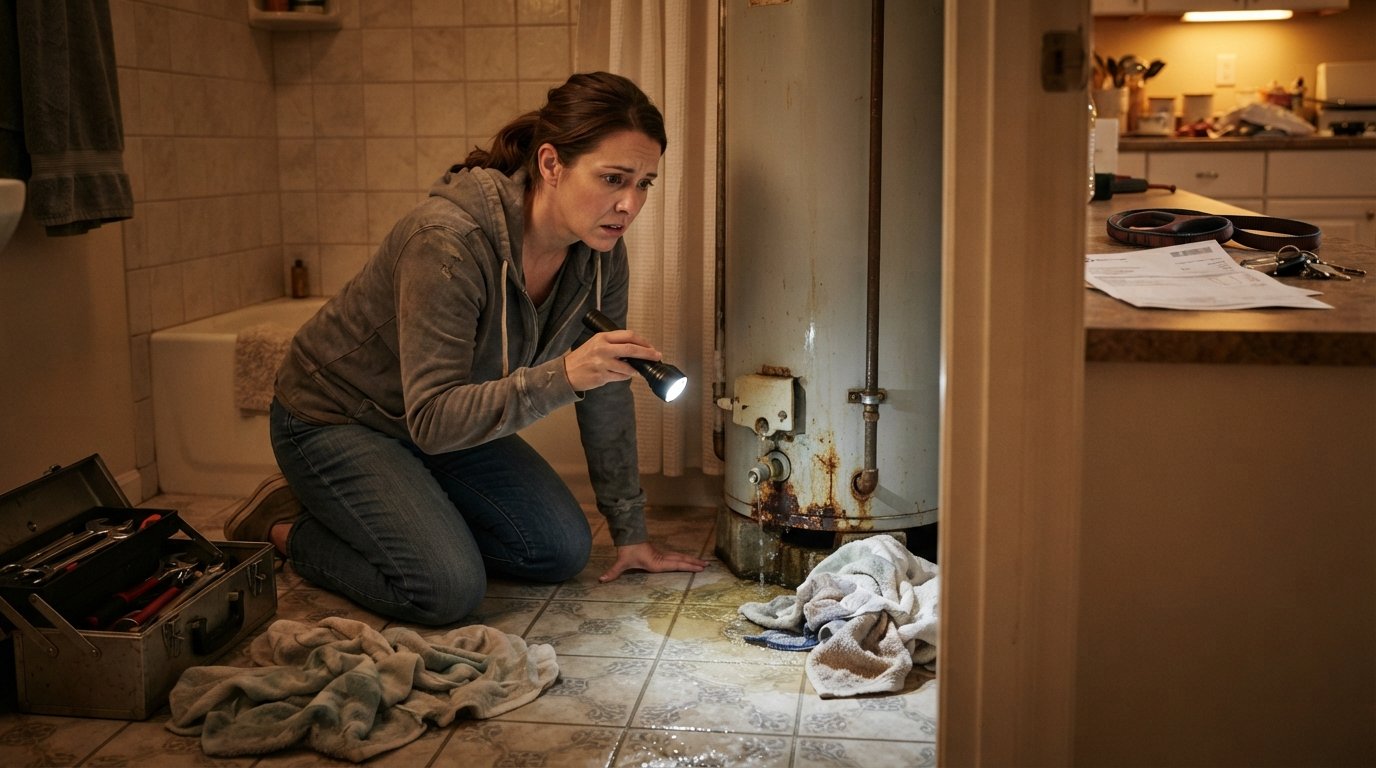
Homeowners and renters alike face surprise home costs, though the scale differs. For homeowners, a failed HVAC system, a roof leak, or a sewer line backup can cost thousands. Appliances like refrigerators, washers, and water heaters have predictable lifespans, usually 10 to 15 years, and they tend to fail at the worst possible time. Renters are not immune either, since a sudden move or a broken laptop can strain a budget. Setting aside 1 percent of your home's value annually for maintenance is a common rule of thumb, but even a smaller monthly amount helps.
Medical and Dental Emergencies
Health insurance softens the blow, but it rarely eliminates it. Deductibles, co-insurance, out-of-network charges, and dental work that is not covered can add up quickly. An unexpected root canal, a broken arm, or a specialist visit can easily reach four figures. Medical debt is one of the leading causes of financial distress in the United States, and it often arrives without warning. A health savings account, if you qualify, offers tax advantages, but a simple dedicated savings category works for everyone.
Pet Emergencies
Pets are family, and veterinary medicine has become increasingly sophisticated and expensive. Emergency surgery for a swallowed object, a broken bone, or an sudden illness can cost $1,500 to $5,000. Routine care is predictable, but emergencies are not. Pet insurance is one option, but it comes with premiums and exclusions. A pet emergency fund gives you the freedom to make care decisions based on what is best for the animal rather than what your checking account can absorb at that moment.
Other Categories Worth Including
Beyond the big four, several other surprise categories deserve a place in your plan. These include travel emergencies (a flight cancellation or a family funeral out of state), technology replacement (a dead phone or laptop), and professional expenses (licensing fees, unexpected travel for work). You may also want a category for family and social obligations, such as a last-minute wedding gift or a sudden need to help a relative. The goal is not to list every possible expense but to cover the categories most likely to affect your household.
How to Set Up a Monthly Sinking Fund for Each Category
A sinking fund is a savings account or budget line item that you contribute to regularly so that a future irregular expense does not feel like an emergency. The concept is simple, but the execution requires a little math and a lot of consistency. Start by estimating the annual cost for each category. For car repairs, you might budget $1,200 per year. For home maintenance, perhaps $1,500. For medical, $1,000. For pets, $600. Add them up, divide by 12, and you have your monthly sinking fund contribution.
If the total feels overwhelming, start with one or two categories and build from there. The most important step is to open a separate savings account, ideally one that earns a little interest and is not linked to your everyday debit card. Automate the transfer on payday so the money leaves your checking account before you have a chance to spend it. Name the account something clear like "Car Repair Fund" or "Home Emergency Fund" so you are not tempted to raid it for non-emergencies. Review your contributions every six months and adjust as your needs change.
Prioritizing Which Surprises to Save for First
Not everyone can fund every category at once. If your budget is tight, you need a prioritization framework. Start with the expenses that are most likely to occur and most expensive to handle. Car repairs often top the list because most households depend on a vehicle and the costs can be severe. Medical emergencies come next, followed by home repairs if you own a home. Pet emergencies matter if you have pets, but the priority may be lower if you have no other dependents relying on the pet's care. Use this simple ranking to decide where your first dollars go.
Another approach is to prioritize by consequence. Ask yourself: if this expense happened next month, would it force me to borrow money, miss a bill, or go without something essential? If the answer is yes, that category deserves funding before categories where the answer is no. You can also use a hybrid approach, funding a small general emergency fund first (say $500 to $1,000) and then building category-specific funds on top of it. The general fund handles the truly unexpected, while the category funds handle the predictable surprises.
When to Cover a Gap with Matched Loan Options
Even the best-laid plans can fall short. A job loss, a series of back-to-back emergencies, or a repair that exceeds your fund can leave you with a gap. When that happens, a short-term loan may be a reasonable bridge, provided you understand the terms and have a plan to repay. This is where a service like FreeQuotes.Loans can help. FreeQuotes.Loans is an online loan comparison and connection service that helps individuals in the United States find personalized loan offers from a network of third-party lenders. The platform is designed for people seeking payday loans, personal loans, or installment loans, often for urgent needs like medical expenses or car repairs, including those with less-than-perfect credit. Users submit a request and can review offers from multiple lenders before deciding whether to accept.
ExpressCash operates in a similar space as a connector, not a direct lender. If you are facing a surprise expense and need to explore options, the platform allows you to submit a free, no-obligation request and get matched with lenders who may be able to help. The process is fast and secure, and you are under no obligation to accept any offer. Before you borrow, make sure you understand the interest rate, fees, and repayment schedule. A loan should be a bridge to a better financial position, not a permanent crutch. If you can cover the gap by delaying a non-essential purchase or negotiating a payment plan with a provider, those options are often cheaper.
Reviewing Your Plan After Each Emergency
Every emergency is a data point. After the dust settles, take 30 minutes to review what happened and how your plan performed. Did you have enough in the right category? Did you have to borrow, and if so, why? Was the expense truly unexpected, or was it a predictable event that you simply had not planned for? Use these questions to refine your sinking fund contributions and your category list. If your car repair fund was wiped out by a single repair, consider increasing the monthly contribution. If a medical expense caught you off guard, check whether your health insurance deductible changed or whether you need a separate dental fund.
This review process also helps you avoid the same surprise twice. For example, if you discover that your pet's breed is prone to a specific condition, you can plan for it. If your home is older, you can anticipate more frequent repairs. Over time, your budget becomes less reactive and more proactive. You will not eliminate surprises, but you will handle them with less stress and less financial damage. The goal is not a perfect plan but a resilient one that adapts as your life changes.
Building a budget that includes unexpected expenses is one of the most practical financial moves you can make. It will not make emergencies disappear, but it will change how they affect your life. Start small, prioritize the categories that matter most to your household, and review your progress regularly. Over time, you will find that the surprises that once derailed your month become manageable bumps in the road.