
Small Emergency Loan for a Broken Furnace or AC Repair
Need a small emergency loan for a broken furnace or AC repair? Get matched with lenders fast. Call 8338560496 for assistance.

By Laura Lawson
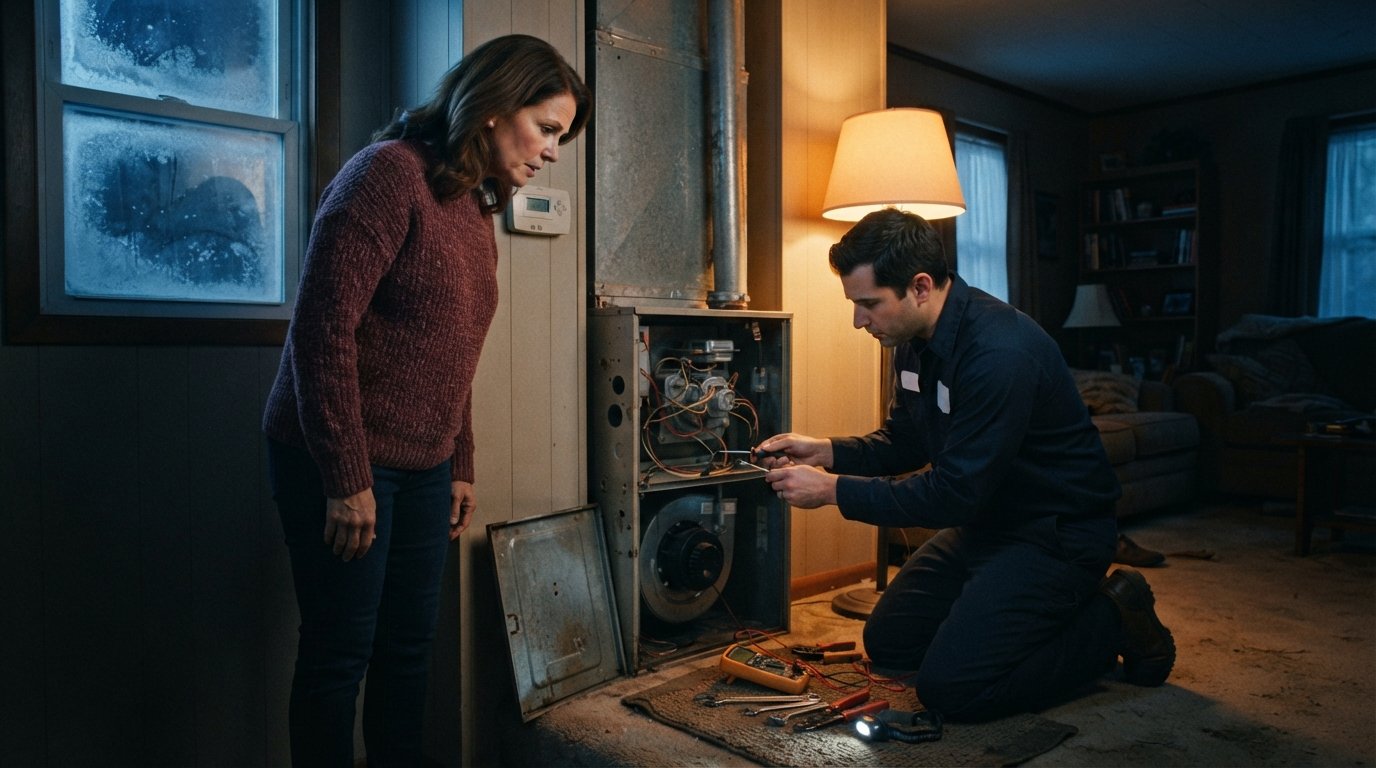
Your furnace dies on the coldest night of January, or your air conditioner quits during a July heat wave. Either way, you are facing a repair bill that can easily run from several hundred to several thousand dollars, and you need comfort restored fast. A small emergency loan for a broken furnace or AC repair can bridge that gap when your savings will not cover the cost and waiting is not an option. This guide explains how these loans work, what they typically cost, how to choose the right one, and how to avoid turning a heating or cooling crisis into a long-term financial problem.
Why HVAC Breakdowns Create Immediate Financial Pressure
Heating and cooling systems are among the most expensive household components to repair or replace, and they tend to fail at the worst possible moments. A cracked heat exchanger, a failed compressor, or a burned-out blower motor can leave your home uncomfortable within hours. Unlike a leaky faucet or a squeaky door, you cannot simply postpone the fix until payday. Extreme temperatures create health risks, especially for children, older adults, and anyone with respiratory or cardiovascular conditions.
Repair costs vary widely depending on the problem and the equipment. A simple capacitor replacement might cost $150 to $300, while a compressor replacement can exceed $1,500. Full system replacement often runs $4,000 to $8,000 or more. When you add emergency service fees, weekend rates, and parts markup, the total can climb quickly. Most households do not keep that kind of money in a checking account, which is why a small emergency loan for a broken furnace or AC repair becomes a practical solution rather than a luxury.
Timing matters too. HVAC contractors often charge premium rates for after-hours calls, and some require partial payment before ordering parts. If you cannot pay, the work does not start. That is the moment when fast access to a modest loan can mean the difference between a warm house and a dangerous cold snap, or between safe cooling and heat exhaustion risk.
What Counts as a Small Emergency Loan
A small emergency loan is a short-term borrowing option designed to cover an unexpected expense, typically ranging from $100 to $5,000. These loans are not mortgages or home equity lines of credit. They are unsecured, meaning you do not pledge your house or car as collateral. Instead, the lender evaluates your income, banking history, and sometimes your credit score to decide whether to approve you.
Several loan types fall under this umbrella, and each has different terms, speeds, and costs. Understanding the differences helps you pick the option that fits your situation rather than the first offer you see.
- Payday loans: Small amounts, usually due on your next payday, with high fees and short repayment windows.
- Installment loans: Larger amounts repaid in fixed monthly installments over several months or years.
- Cash advances: Short-term funds from a lender or a credit card, often with high interest or fees.
- Personal loans: Unsecured loans from banks, credit unions, or online lenders with fixed rates and terms.
- Lines of credit: Revolving credit you can draw from as needed, useful if you are unsure of the final repair cost.
For a furnace or AC repair, an installment loan or personal loan usually makes the most sense because you can match the repayment schedule to your budget. Payday loans may be faster, but they can trap you in a cycle of renewals if you cannot repay the full balance on time. The best choice depends on how much you need, how quickly you can repay, and what offers you qualify for.
How to Get a Small Emergency Loan for HVAC Repairs
The application process for most online emergency loans is straightforward and can be completed in minutes. You will typically need to provide basic personal information, proof of income, and banking details so the lender can verify your ability to repay and deposit funds electronically. Many lenders now use secure encryption and automated verification to speed things up.
If you are exploring options, platforms like 4Payday connect borrowers with lenders who offer short-term loans, including payday loans, personal loans, and installment loans. These services let you submit one request and receive multiple offers, which saves time when you are already stressed about a broken HVAC system. Just remember that each lender sets its own terms, so compare carefully before accepting.
Here is a simple framework for approaching the process:
- Get a written estimate from a licensed HVAC contractor so you know exactly how much you need to borrow.
- Check your credit score and review your monthly budget to determine a comfortable repayment amount.
- Submit a loan request through a reputable connector or directly with a lender you trust.
- Compare offers side by side, focusing on APR, fees, repayment terms, and total cost.
- Accept the best offer, receive funds, and pay the contractor promptly to avoid further delays.
One important note: if you are dealing with a medical emergency at the same time, perhaps a family member is hospitalized because of the extreme heat or cold, you may need to prioritize expenses. In our guide on medical emergency loans for health costs, we explain how to balance competing urgent bills and protect your credit while doing so.
Understanding Costs and Avoiding Predatory Terms
Emergency loans are convenient, but convenience has a price. Payday loans can carry effective annual percentage rates (APRs) of 300% or more. Installment loans from online lenders might range from 10% to 36% APR for borrowers with good credit, but rates can climb above 100% for those with poor credit or limited history. Fees add another layer: origination fees, late fees, prepayment penalties, and processing charges can all increase the total you repay.
Before you sign anything, calculate the total cost of the loan, not just the monthly payment. Ask yourself whether you could repay the loan early without penalty and whether the lender reports to credit bureaus. Some lenders report positive payment history, which can help your credit score over time. Others do not report at all, meaning your on-time payments will not build your credit.
Watch out for these red flags:
- Pressure to sign immediately without reviewing terms.
- No clear disclosure of APR, fees, or repayment schedule.
- Requests for upfront payment before disbursing funds.
- Lenders that are not licensed in your state.
- Terms that require automatic renewal or rollover fees.
If an offer feels too good to be true or the lender refuses to put terms in writing, walk away. Reputable lenders and connectors follow federal and state disclosure rules and will give you time to review documents.
Alternatives to Consider Before Borrowing
A loan is not the only path. Depending on your situation, you may have other options that cost less or carry less risk. Exploring these first can save you money and stress.
Start with your HVAC contractor. Many companies offer financing through third-party partners, sometimes with promotional 0% APR periods for six to twelve months. If you can repay within that window, you avoid interest entirely. Ask whether the contractor offers in-house payment plans or discounts for cash payments.
Check with your utility company. Some utilities offer emergency repair grants or low-interest loans for income-qualified households. Local charities, community action agencies, and religious organizations may also provide assistance for heating and cooling emergencies. These programs are not guaranteed, but they are worth a few phone calls before you commit to a high-cost loan.
If you have a credit card with available credit, consider whether a promotional balance transfer or a low-interest card could cover the repair. Just be aware that credit card APRs are often high, and carrying a balance can damage your credit utilization ratio. A personal loan with a fixed rate and term may be cheaper and easier to manage.
Building a Safety Net for Future HVAC Emergencies
Once the immediate crisis passes, take steps to prevent the next one from becoming a financial emergency. Start a dedicated home repair fund, even if you can only set aside $20 or $50 per month. Over a year, that adds up to a meaningful cushion. Regular HVAC maintenance, including annual tune-ups and filter changes, can catch small problems before they become expensive failures.
Consider a home warranty or service plan if your system is older. These plans typically cover repairs for a monthly fee, though they often exclude certain parts or require using specific contractors. Read the fine print and compare the annual cost against your risk tolerance.
Finally, review your emergency savings strategy. Financial advisors often recommend three to six months of living expenses in a readily accessible account. That may sound daunting, but even a small starter fund can reduce your reliance on loans when the furnace or AC fails. The goal is not to eliminate emergencies but to make them manageable.
A broken furnace or AC unit is stressful, but it does not have to derail your finances. By understanding your options, comparing offers carefully, and borrowing only what you can repay, you can restore comfort to your home without creating a new set of problems. If you need help finding a lender, ExpressCash connects consumers with a network of third-party lenders offering short-term loan options, including payday loans, installment loans, and lines of credit. The platform is designed for speed and security, with a simple online request that takes less than five minutes and no obligation to accept any offer. Visit ExpressCash to explore loan options and get matched with trusted lenders fast.