The Trusted Choice for Cash Loans
Request Your Cash Advance or Personal Loan Now

The Trusted Choice for Cash Loans
Submit your information today!

Get lender-approved in as fast as 5 min!
Receive a decision as soon as the next business day!

Fast Funding
Get money as soon as the next business day

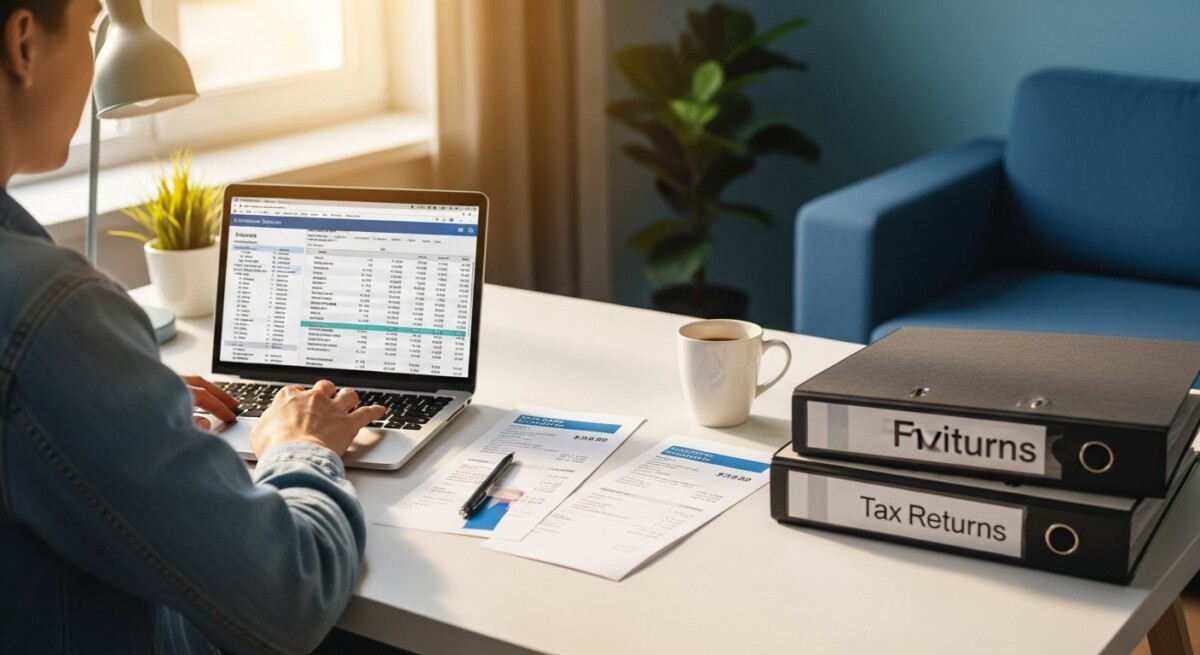

Proof of Income Loans: A Guide for Borrowers Without Pay Stubs
When unexpected expenses arise, many people turn to short-term loans to bridge the gap. But what if your income is irregular or you lack traditional pay stubs? Lenders often require proof of income to verify your ability to repay. The good news is that proof of income loans exist to help borrowers who work freelance, run a small business, or earn through tips and commissions. These loans use alternative documents like bank statements, tax returns, or client invoices to confirm your earnings. If you need fast cash and worry about standard verification, understanding how these loans work can save you time and stress.
What Are Proof of Income Loans?
Proof of income loans are a category of personal loans where the lender accepts documentation beyond a W-2 or employer pay stub. Instead of requiring a steady salaried job, these lenders look at your actual cash flow from various sources. For example, a self-employed graphic designer might show three months of bank deposits to demonstrate income. A gig worker driving for ride-share apps could use a profit-and-loss statement. The key is that the borrower still proves they can afford the loan, just through different paperwork.
In our guide on can you get a loan with no proof of income, we explore situations where borrowers have no verifiable earnings. That article details how lenders assess risk when standard pay stubs are missing. Proof of income loans fill the middle ground: you have income to show, but it is not from a traditional employer. This flexibility makes them popular among freelancers, seasonal workers, and retirees living on investment returns.
Who Needs These Loans?
The typical borrower for a proof of income loan does not fit the nine-to-five mold. Common groups include:
- Self-employed professionals such as freelancers, contractors, and sole proprietors who do not issue themselves pay stubs.
- Gig economy workers who earn through platforms like Uber, DoorDash, or Fiverr and have variable weekly income.
- Commission-based employees whose paychecks fluctuate and cannot provide a steady monthly stub.
- Retirees who rely on Social Security, pensions, or investment dividends as their primary income.
- Individuals who have recently started a new job but have not yet received their first pay stub.
For these borrowers, traditional lenders may deny a loan simply because the paperwork does not match the standard format. Proof of income loans offer a path forward by evaluating actual earnings rather than employment labels. Express Cash connects borrowers with a network of third-party lenders who understand these income types. Through a single online application, you can see offers from lenders that accept alternative verification. This matching service is especially useful if you have been turned down elsewhere.
Common Documentation Accepted
Lenders that offer proof of income loans typically accept a range of documents. The exact requirements vary by lender and state regulations, but the following are widely accepted:
- Bank statements from the past 3 to 6 months that show regular deposits from your work or clients.
- Tax returns from the most recent year, especially Schedule C or 1099 forms that report self-employment income.
- Invoices or contracts with clients that show pending or recently paid work.
- Profit and loss statements prepared by you or an accountant, summarizing revenue and expenses.
- Benefit award letters for Social Security, disability, or unemployment income.
Each lender will set a minimum monthly income threshold, often between $800 and $2,000. The amount of the loan you qualify for depends on your income level, credit history, and state laws. Because many borrowers in this category have credit scores below 600, some lenders focus more on income stability than credit score. Before applying, gather your best documentation to speed up the process.
How the Application Process Works
Applying for a proof of income loan is similar to a standard online loan request, with one key difference: the verification step. Here is a typical flow:
- Start by filling out a basic online request form with personal details and estimated income.
- Indicate that your income source is non-traditional (e.g., self-employment, gig work, or benefits).
- Upload or submit copies of your chosen income documentation through a secure portal.
- The lender reviews your documents and may ask clarifying questions about irregular deposits or large one-time payments.
- If approved, you receive a loan offer with terms including the amount, interest rate, fees, and repayment schedule.
- After you sign the agreement electronically, funds are typically deposited into your bank account within one business day.
Express Cash streamlines this process by letting you submit one request that goes to multiple lenders in its network. Instead of applying separately at several direct lenders, you fill out a single form. The platform automatically matches you with third-party lenders that are most likely to accept your income proof. This saves time and reduces the number of hard credit inquiries on your report.
Benefits and Risks of Proof of Income Loans
Like any financial product, these loans come with advantages and drawbacks. Understanding both sides helps you make an informed decision. Benefits include access to funds when traditional pay stubs are missing, faster approval compared to some bank loans, and the ability to build or improve your credit history if the lender reports to credit bureaus. Many borrowers also find that the application is less stressful because they do not need to provide employer contact information or verification of employment.
On the risk side, interest rates for proof of income loans can be higher than conventional personal loans because lenders view non-traditional income as slightly less predictable. Fees may include origination charges, late payment penalties, and prepayment penalties. Some lenders also require a collateral or a post-dated check as security. Before signing, read the loan agreement carefully and ensure the monthly payment fits your budget. If you miss payments, you could damage your credit or face collection actions.
Alternatives to Consider
Proof of income loans are not the only option for borrowers with irregular earnings. Depending on your situation, you might also explore credit union loans that consider alternative credit data, secured loans using a vehicle or savings account as collateral, or cash advances from platforms like Earnin or Dave that connect to your bank account. For very small amounts, a credit card cash advance or a 0% APR introductory offer could work, but beware of high fees. If you run a business, a merchant cash advance gives you a lump sum in exchange for a percentage of future sales, though these often carry steep costs. Our article on getting a loan with no proof of income covers scenarios where borrowers have zero verifiable earnings and explores more specialized options.
Another path is to improve your documentation. If you are self-employed, consider opening a dedicated business bank account so deposits are easy to trace. Use accounting software to generate regular profit-and-loss statements. Over time, consistent documentation can qualify you for better rates on proof of income loans. Some lenders also accept rent payments, utility bills, or other recurring payments as evidence of cash flow, but this is less common.
Tips for a Successful Application
To increase your chances of approval, follow these practical recommendations:
- Prepare at least two forms of income documentation before starting the application. For example, combine bank statements with a recent tax return.
- Be honest about your income. Inflating numbers can lead to loan terms you cannot repay and possible fraud consequences.
- Check your credit report for errors and pay down small balances to improve your credit score, which can lead to lower rates.
- Borrow only what you need. Lenders may offer you a large amount, but taking on more debt than necessary increases risk.
- Compare offers from multiple lenders through a service like Express Cash to find the most favorable terms without multiple hard inquiries.
Remember that even if you have been turned down before, the right lender may accept your alternative income proof. The key is to apply through a network that understands diverse income streams. Many direct lenders specialize exclusively in payday loans for salaried workers, while Express Cash’s partner network includes lenders with more flexible verification policies. You can also visit 4payday.com for additional resources on short-term lending options, though we recommend comparing all terms carefully.
How Express Cash Matches You With Lenders
Express Cash acts as a connector, not a direct lender. This distinction matters because it means you get access to a marketplace of lenders rather than a single institution. When you submit a loan request, the platform shares your information with its network of third-party lenders. Those lenders review your application and income documents independently. Within minutes, you receive offers directly from lenders that are willing to work with your income type. You then choose the offer that best fits your needs.
This model is especially valuable for proof of income loans because each lender has its own documentation requirements. A lender in one state might accept bank statements exclusively, while another requires tax returns. By applying through Express Cash, you increase the likelihood of finding a lender whose verification policy matches your available documents. Plus, the service is free to use, and there is no obligation to accept any offer. The entire process is designed to be fast, secure, and transparent.
In summary, proof of income loans provide a lifeline for borrowers who earn money outside of traditional employment. By using alternative documentation like bank statements, tax returns, or invoices, you can secure funds for emergencies, debt consolidation, or large purchases. The key is to work with lenders who understand your income model and to borrow responsibly. Gather your documents, compare offers, and use a connector service like Express Cash to simplify the search. For more details on what to do if you have absolutely no income documents, read our post on whether you can get a loan with no proof of income. That guide explains the challenges and the few niche solutions available.


About Mia Turner
Related Posts