
How to Pay for a Home Repair When Insurance Denies the Claim
A denied insurance claim does not have to stall your home repair. Explore funding options and call 8338560496 for guidance on how to pay for a home repair when insurance denies the claim.

By Thomas Shaw
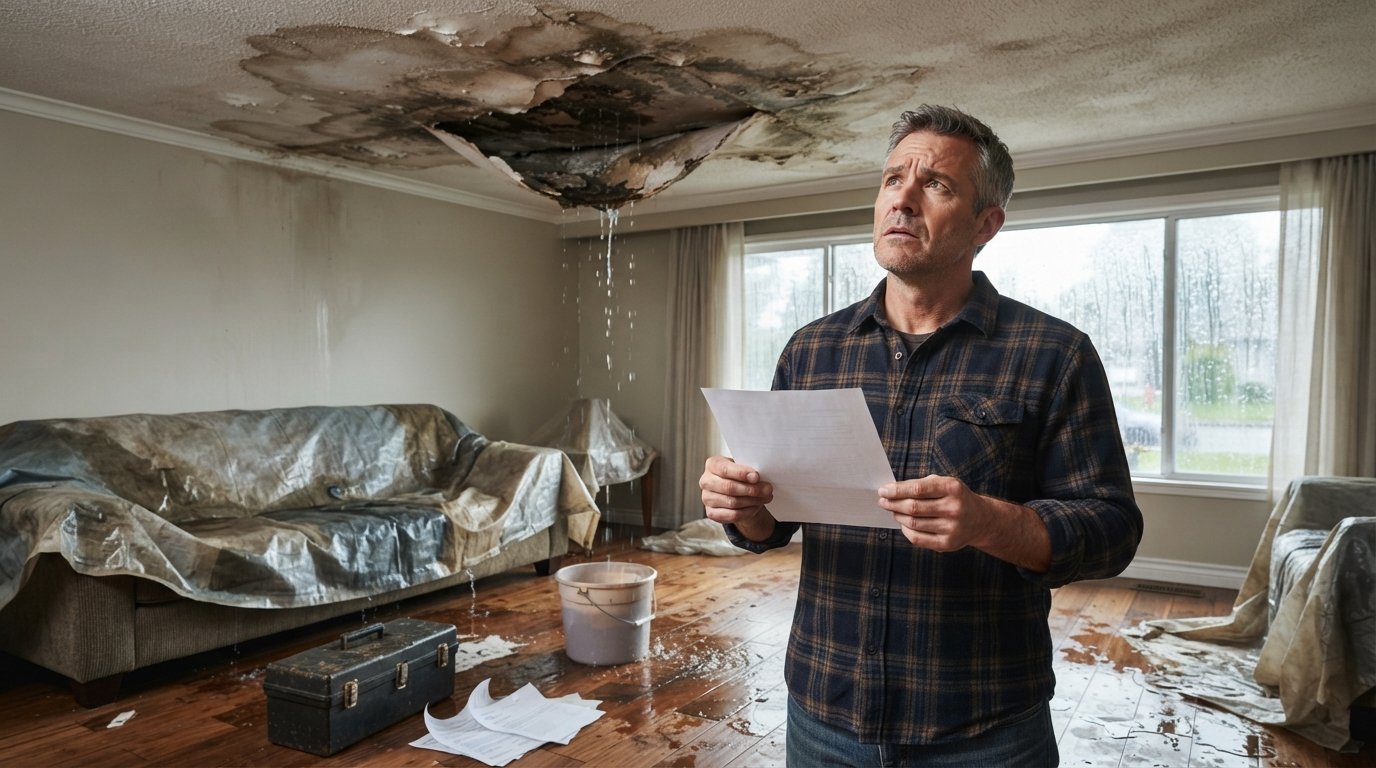
Your roof is leaking, your basement is flooded, or a tree just crashed through your living room window. You file a claim, expecting your insurer to cover the damage, and then the denial letter arrives. It is a gut-wrenching moment. The damage is still there, the problem is not going away, and now you are facing a repair bill that could easily run into thousands of dollars. The good news is that a denial is not the end of the story. You have more options than you might think, and understanding how to pay for a home repair when insurance denies the claim can turn a crisis into a manageable situation.
This guide walks you through every realistic path forward, from appealing the denial to tapping into financing solutions designed for exactly this kind of emergency. Whether the denial was due to a policy exclusion, a disputed cause of loss, or simply a paperwork error, you will learn how to protect your home and your finances without losing your mind in the process.
First, Understand Why the Claim Was Denied
Before you can figure out how to pay for the repair, you need to know why the insurer said no. Denials are rarely random. They usually fall into a handful of categories, and each one opens up different strategies for resolution. If you can identify the specific reason, you may be able to overturn the decision or at least negotiate a partial payout.
The most common reasons for a denied homeowners insurance claim include:
- Policy exclusions: Flood damage, earthquakes, and normal wear and tear are typically excluded from standard policies.
- Maintenance issues: Insurers often argue that damage resulted from neglected upkeep rather than a sudden event.
- Insufficient documentation: Missing receipts, photos, or proof of the cause can lead to a denial.
- Filing deadlines: Most policies require claims to be filed within a specific window after the damage occurs.
- Disputed cause of loss: The insurer may claim the damage came from a source your policy does not cover, such as gradual water seepage versus a burst pipe.
Once you pinpoint the reason, you can decide whether to appeal, negotiate, or move straight to funding the repair yourself. Do not assume the first denial is final. Insurance companies sometimes deny claims hoping the homeowner will give up. A well-documented appeal can reverse the decision in many cases.
Start by requesting a written explanation of the denial. Review your policy language carefully, and gather any evidence that supports your position. Photographs, contractor estimates, and receipts all help. If the denial was based on a misunderstanding, a simple letter with supporting documents may be enough to get the claim reopened.
Appeal the Denial Before You Pay Out of Pocket
Filing an appeal is often the smartest first step because it costs you nothing but time and effort. If successful, it saves you thousands of dollars and keeps the financial burden where it belongs. The appeal process varies by insurer, but most companies have a formal review procedure you can initiate within a certain number of days after the denial.
Here is a practical framework for building a strong appeal:
- Request the denial in writing and confirm the exact policy provision cited.
- Collect independent evidence, such as a licensed contractor's report or a second opinion from a public adjuster.
- Submit a formal appeal letter that references your policy, the evidence, and the specific outcome you are requesting.
- Follow up persistently and keep records of every phone call, email, and letter.
- If the internal appeal fails, consider contacting your state insurance department or hiring a public adjuster.
A public adjuster works on your behalf, not the insurer's, and typically charges a percentage of whatever settlement they recover. If the potential payout is large, this can be worth it. If the repair cost is modest, the fee may not justify the effort. Use your judgment based on the numbers.
Even if the appeal does not fully succeed, you may be able to negotiate a partial settlement. Insurers sometimes deny the full claim but agree to cover a portion once they see you are serious and prepared. That partial payment reduces the amount you need to finance on your own.
Use Your Emergency Savings or Home Equity
If the appeal process stalls or fails, it is time to look at your own financial resources. The ideal scenario is that you have an emergency fund set aside for exactly this kind of situation. Financial experts generally recommend keeping three to six months of living expenses in a readily accessible account, but many homeowners do not have that cushion. If you do, using it for a critical repair is a reasonable choice, especially when the damage threatens your home's safety or structural integrity.
Home equity is another option. If you have built up equity in your home, you may qualify for a home equity line of credit (HELOC) or a home equity loan. These products let you borrow against the value of your home at relatively low interest rates compared to unsecured debt. A HELOC works like a credit card, giving you a revolving line you can draw from as needed, while a home equity loan provides a lump sum with fixed payments.
Keep in mind that using home equity to cover repairs means you are putting your home on the line. If you cannot repay the loan, you risk foreclosure. Only go this route if you are confident in your ability to manage the payments. Also, if the repair is urgent and you need to act fast, equity products can take weeks to process, which may not be fast enough.
Explore Home Repair Loans and Personal Financing
When savings and equity are not enough, or when speed matters most, home repair loans and personal loans become valuable tools. A home repair loan is typically an unsecured personal loan designated for home improvement or emergency repairs. Because it is unsecured, you do not risk your home as collateral, but interest rates may be higher than secured options.
For homeowners facing an urgent repair after a denied claim, the key priorities are speed, flexibility, and manageable terms. Online lending platforms have made it easier than ever to compare offers from multiple lenders in minutes. You can learn more about smart ways to fund home repairs and find a solution that fits your budget and timeline.
Here is what to look for in a repair loan:
- Fast approval and funding, ideally within one business day.
- No prepayment penalty so you can pay off early without extra cost.
- Clear terms with no hidden fees.
- Loan amounts that match your repair estimate, typically from $100 to $5,000 for short-term needs.
If you have bad credit, do not assume you are out of options. Many lenders in the short-term loan space consider a range of credit profiles. A platform like 4Payday connects borrowers with lenders who offer payday loans, personal loans, and installment loans, making it easier to find a match even when traditional banks say no. The application process is online, secure, and designed to get you a decision quickly so you can move forward with the repair.
Just be sure to borrow responsibly. Only take on a loan you can realistically repay, and read all terms carefully before signing. Short-term loans can carry high interest rates, so they work best when you have a clear plan to pay them off within the agreed timeframe.
Consider Government Assistance and Nonprofit Programs
Depending on your income, location, and the type of repair needed, you may qualify for government grants or low-interest loans. The U.S. Department of Housing and Urban Development (HUD) offers programs through local agencies, and some states run their own homeowner assistance funds. These programs are often designed for low-to-moderate-income households and may cover essential repairs like roofing, plumbing, or heating systems.
Nonprofit organizations such as Habitat for Humanity and Rebuilding Together also help homeowners with critical repairs, sometimes at no cost. Eligibility varies, and waiting lists can be long, but if you have the time and meet the criteria, these options are worth exploring. Contact your local housing authority or community action agency to learn what is available in your area.
Another route is disaster assistance. If the damage was caused by a federally declared disaster, you may be eligible for FEMA aid or Small Business Administration (SBA) disaster loans, even if your insurance denied the claim. These loans offer low interest rates and long repayment terms, making them far more affordable than many private options.
Negotiate with Contractors and Prioritize Repairs
Sometimes the smartest financial move is not to borrow more but to spend less. If your repair estimate is high, get multiple quotes from licensed contractors. Prices can vary significantly, and a second or third opinion might save you hundreds or even thousands of dollars. Do not automatically choose the cheapest bid, but do compare scope, materials, and timelines.
You can also ask contractors about payment plans. Some are willing to break the project into phases so you can pay as you go. If the damage is not immediately dangerous, you might be able to tackle the most urgent repairs first and defer cosmetic work until you have more cash on hand.
Prioritize repairs that affect safety, structural integrity, and habitability. A leaking roof, exposed wiring, or a broken furnace cannot wait. A cracked driveway or faded paint can. By focusing on what truly matters, you reduce the amount you need to finance right now.
Protect Yourself from Future Denials
Once the immediate crisis is handled, take steps to avoid a repeat situation. Review your insurance policy annually and make sure you understand what is and is not covered. Consider adding riders or separate policies for risks like flooding or earthquakes if you live in a vulnerable area. Document your home's condition with photos and receipts, and keep up with maintenance so the insurer cannot claim neglect.
Building an emergency fund specifically for home repairs is one of the best financial moves a homeowner can make. Even setting aside a small amount each month creates a buffer that reduces your reliance on loans when the unexpected happens. The goal is to be prepared, not just reactive.
When insurance denies your claim, you are not powerless. You can appeal, negotiate, tap into savings or equity, explore loans and assistance programs, and prioritize repairs strategically. Each path has trade-offs, but together they give you a realistic way to protect your home without derailing your finances. Start with the appeal if there is any chance of reversal, then layer in financing options as needed. With the right combination of persistence and planning, you can get the repair done and keep moving forward.